Wonach suchen Sie?
I. Kernunterschiede
Kompressoren dienen als das „pneumatische Herz“ der industriellen Produktion, und ihre Kühlmethode bestimmt direkt die Betriebskosten und die Lebensdauer der Anlagen. Derzeit verwenden Schraubenkompressoren hauptsächlich entweder Luftkühlungs- oder Wasserkühlungssysteme; jeder Ansatz legt unterschiedliche Schwerpunkte—wie Kostenstruktur, klimatische Anpassungsfähigkeit und Energieeffizienz—bei der Auswahl eines Modells muss eine umfassende Bewertung auf Grundlage der spezifischen Betriebsbedingungen und der verfügbaren Wasserressourcen durchgeführt werden.
Die Luftkühlung nutzt einen Ventilator, um Luft durch Wärmeableitungsrippen zu drücken und Wärme abzuführen, und benötigt keine zusätzliche Wasserquelle; die Wasserkühlung verwendet zirkulierendes Kühlwasser für den Wärmeaustausch und ist vollständig mit Temperaturregelventilen ausgestattet, um eine Konstanttemperaturregelung zu erreichen, erfordert jedoch unterstützende Kühltürme, Wasserpumpen und Rohrleitungssysteme. Die Luftkühlung bietet die Vorteile einer einfachen Struktur und geringer Anfangsinvestitionen, während die Wasserkühlung durch hohe Effizienz, konstante Temperaturregelung sowie einfache Wartung des Ölkreislaufs überzeugt.
II. Kostenvergleich
Anfangskosten :
Luftkühlungssysteme benötigen kein Wasserzirkulationssystem, wodurch die Beschaffungs- und Infrastrukturinvestitionen relativ geringer ausfallen; Wasserkühlungssysteme hingegen erfordern zusätzliche Komponenten wie Kühltürme, Wasserpumpen, Ventile und Rohrleitungsnetze, was zu höheren Anfangskosten führt.
Betriebsenergieverbrauch:
Die Wärmeableitungseffizienz der Luftkühlung wird erheblich von der Umgebungstemperatur beeinflusst—in heißen Jahreszeiten nimmt die Wärmeableitungsleistung der Rippen ab, wodurch das Gerät anfällig für Hochtemperaturalarmierungen wird und folglich seine Last reduziert; im Gegensatz dazu bietet die Wasserkühlung eine stabile Wärmeableitung und eine hohe Wärmeübertragungseffizienz; das Temperaturregelventil hält die Öltemperatur wirksam aufrecht und erleichtert die Wartung des Ölkreislaufs; allerdings verursacht die Zirkulationswasserpumpe einen zusätzlichen Stromverbrauch, während in Regionen mit begrenzten Wasserressourcen die Wasserverfügbarkeit selbst einen indirekten Kostenfaktor darstellt.
Wartungskosten:
Bei luftgekühlten Systemen liegt der Schwerpunkt auf der regelmäßigen Reinigung des Staubs von den Rippen; bei wassergekühlten Systemen muss auf die Wasserenthärtung sowie auf den Schutz vor Ablagerungen und Rost im Rohrleitungssystem geachtet werden, wodurch der Wartungsprozess komplexer wird.
III. Klimatische Anpassungsfähigkeit
Luftgekühlte Systeme eignen sich für Umgebungen mit niedrigen Jahresdurchschnittstemperaturen und trockener, sauberer Luft, wie beispielsweise Nordchina und bestimmte Auslandsmärkte in mittel- bis hochbreitengradigen Regionen. Unter feuchten und staubigen Betriebsbedingungen können die Rippen verstopfen, und ein längerer Betrieb bei hohen Temperaturen beschleunigt den Abbau des Schmieröls; bei schwierigen Betriebsbedingungen—wie Salzsprühnebel oder hoher Staubbelastung—können kundenspezifische nicht standardisierte Lösungen eingesetzt werden, um eine langfristige Betriebssicherheit zu gewährleisten.
Die Wasserkühlung bietet eine überlegene Beständigkeit gegenüber hohen Temperaturen, schweren Lasten und Dauerbetrieb und eignet sich daher ideal für Fabrikumgebungen in tropischen und subtropischen Regionen oder für Werkstätten, in denen die Umgebungstemperaturen das ganze Jahr über hoch bleiben. Die Druckluft-Austrittstemperatur kann im Bereich Umgebungstemperatur +10–15 °C gehalten werden, wodurch eine stabile Qualität der nachgeschalteten Druckluftversorgung unterstützt wird.
IV. Analyse der Energieeffizienz
In Niedrigtemperatur-Trocknungsumgebungen bieten integrierte luftgekühlte Systeme eine bessere Energieeffizienz, während die Wasserkühlung in Hochtemperaturumgebungen eine höhere Stabilität gewährleistet. Die gängige Lösung kombiniert typischerweise einen zweistufigen Verdichtungsprozess (erste Stufe → zweite Stufe) mit Permanentmagnet-Drehzahlregelungen: Die Verdichtung der zweiten Stufe erreicht bei gleicher Leistungsaufnahme eine höhere Gasproduktion. Laut Energiespardaten aus Herstellerlaboren erzielt dieses System etwa 10 % höhere Energieeinsparungen gegenüber herkömmlicher einstufiger Verdichtung, etwa 35 % höhere Einsparungen gegenüber herkömmlicher zweistufiger Verdichtung und bis zu 50 % höhere Energieeinsparungen gegenüber Standardantrieben mit Industriefrequenz; zudem ermöglicht die Drehzahlregelung eine Echtzeitanpassung der Geschwindigkeit an den tatsächlichen Gasverbrauch, kombiniert mit einem unabhängigen Luftkanaldesign, wodurch langfristig erhebliche Stromkosteneinsparungen erzielt werden.
V. Auswahl Empfehlungen für Gebiete mit Wasserknappheit
In wasserarmen Regionen wie dem Nahen Osten und Nordafrika werden Wasserkühlungslösungen aufgrund hoher Verdunstungsverluste in Zirkulationswassersystemen, einer harten Wasserqualität mit erhöhter Verkalkungsneigung und der daraus resultierenden Verringerung der Wärmeübertragungseffizienz nicht empfohlen. Es wird empfohlen, luftgekühlte Geräte mit großem Luftstrom durch unabhängige Luftkanäle und einem staubgeschützten Rippen-Design zu bevorzugen, kombiniert mit Permanentmagnet-Drehzahlregelungen und IoT-basierter Fernüberwachung, wodurch die Wartungshäufigkeit reduziert und gleichzeitig die Betriebssicherheit unter Hochtemperaturbedingungen gewährleistet werden kann.
VI. Zusammenfassung der Auswahl
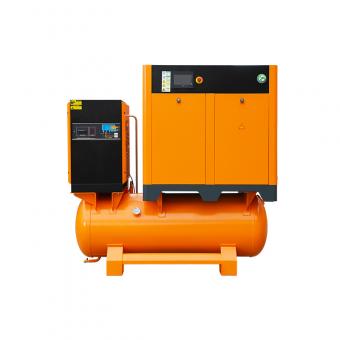
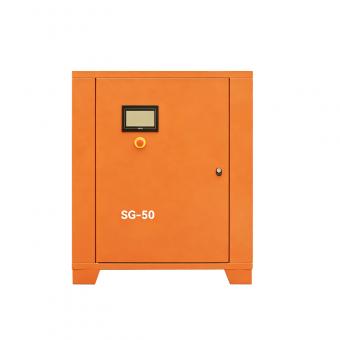
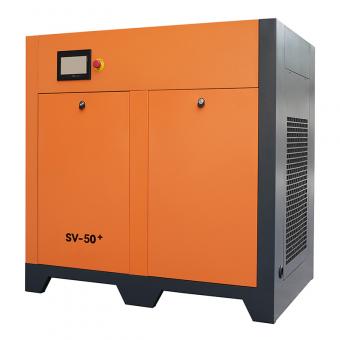
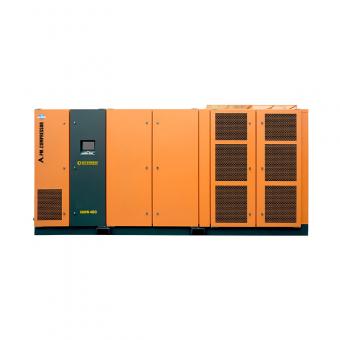
Für milde Betriebsbedingungen mit begrenztem Zugang zu Wasser – wählen Sie luftgekühlte Modelle; für Hochtemperatur-, Schwerlast- und Dauerbetrieb – wählen Sie wassergekühlte Modelle; für Anwendungen mit Priorität auf die gesamten Stromkosten über den Lebenszyklus– Modelle mit zweistufiger Verdichtung + Permanentmagnet-Frequenzumrichterantrieb (VFD) priorisieren. Die Huada Neue A-Serie wird basierend auf Kühlmethode und Antriebstyp in drei Gruppen eingeteilt: luftgekühlte Permanentmagnet-VFD-Modelle (ca. 22–355 kW, LGGPM-30–LGGPM-480); wassergekühlte VFD-Modelle (ca. 45–355 kW, LGGPM-60–LGGPM-480); luftgekühlte Modelle mit Festfrequenzantrieb (ca. 22–250 kW, LGG-30–LGG-350); und wassergekühlte Modelle mit Festfrequenzantrieb (ca. 45–355 kW, LGG-60–LGG-480). Die kundenspezifische Modellauswahl kann auf Grundlage der lokalen Betriebsbedingungen erfolgen; bitte wenden Sie sich gerne an das Huada Air Compressor Overseas Marketing Team für technische Lösungen.


 IPv6 Netzwerk unterstützt
 English
 français
 Deutsch
 русский
 español
 português
 日本語
日本語 한국의
한국의 ไทย
ไทย 中文
中文